
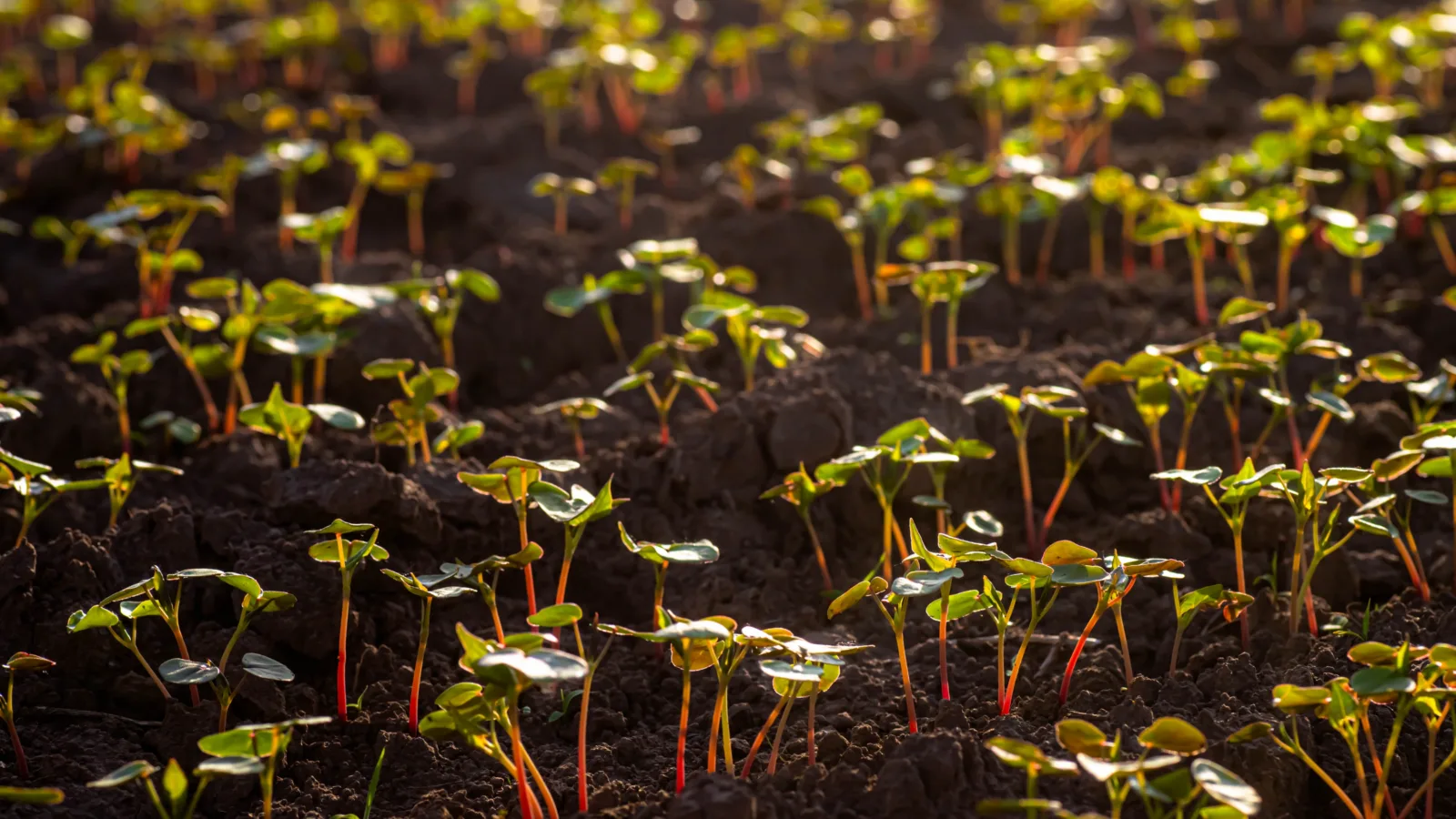
Autumn is the waning-Moon gardener’s season. The jobs that matter now, planting garlic and spring bulbs, putting in trees and perennials, pruning, clearing beds and turning compost, are exactly the jobs that the old Moon-planting tradition assigns to the two weeks after full moon. So whether or not you believe the Moon has any say in it, the calendar and the gardening year agree this month. Here is how the tradition works, what it says to do in the waning weeks, and the dates for the coming cycle. The gardening by the Moon calendar marks every day of every month.
The four quarters, briefly
Moon gardening divides the lunar month into four quarters and matches each to a kind of work. The idea behind it is that the Moon’s pull on water rises and falls with the phases, drawing moisture up through the soil as the Moon waxes and letting it settle as the Moon wanes.
- First quarter, new moon to half: sow leafy crops that bear above ground, with seeds outside the fruit: lettuce, spinach, cabbage, herbs.
- Second quarter, half to full: sow above-ground crops with seeds inside the fruit: beans, peas, tomatoes, squash. Graft and repot.
- Third quarter, full to half: plant everything that grows below ground or has to overwinter: root crops, bulbs, garlic, onions, perennials, trees and shrubs. Prune to slow growth.
- Fourth quarter, half to new: rest the soil. Weed, cultivate, turn compost, harvest for storage, prune to discourage regrowth, prepare beds. Do not sow.
Does it work? Controlled trials have not found a consistent effect of lunar phase on germination or yield, and the tidal pull on a seedbed is far too small to move water. What the tradition does reliably is organise the work: a rhythm of sowing, planting, tending and resting that keeps a gardener on schedule and gives every job a fortnight. Used that way it costs nothing and many gardeners swear by it. Treat it as a calendar, not a guarantee.
Third quarter: the planting fortnight for bulbs and garlic
The week after full moon is the tradition’s time for anything that roots down rather than leafs up, and in autumn that is the whole job list.
- Garlic. Plant individual cloves, pointed end up, 5 cm deep and 15 cm apart, in well-drained soil in full sun, after the first frosts have cooled the ground. They root through autumn, sit through winter and bulb up for a summer harvest. Garlic is the most reliable thing you can plant in October and November.
- Spring bulbs. Daffodils, tulips, crocuses, alliums and hyacinths go in once soil temperatures drop, roughly two to three times as deep as the bulb is tall. Tulips are happiest planted last, in November, when the soil is cold enough to discourage disease.
- Perennials, trees and shrubs. Autumn planting gives roots a head start while the soil is still warm and the top growth has stopped. Water in well and mulch.
- Onion sets and broad beans for an early crop next year, where winters are mild enough.
- Pruning to slow growth: the tradition’s third-quarter prune. In practice, autumn is the time to remove dead and diseased wood and to cut back spent perennials, but leave major pruning of most trees and shrubs for late winter.
Fourth quarter: clear, compost and store
The last week before new moon is the rest week, and it maps neatly onto autumn clean-up.
- Lift the last of the root crops and harvest for storage: potatoes, carrots, beets, winter squash. The tradition says crops harvested on the waning Moon keep better; whether or not that is so, a dry day is what matters.
- Clear spent annuals and weeds before they seed, and turn or start the compost heap with the leaves coming down now.
- Dig over empty beds, add compost or manure, and sow a green manure where you will not plant until spring.
- Clean and oil tools, drain hoses, and move tender plants under cover before the first hard frost.
Waxing weeks: what still goes in
The two weeks from new moon to full are for sowing, and even in autumn there is a little to sow: winter salads and spinach under cover in the first quarter, and in mild areas peas and broad beans in the second. Lawns can be sown or repaired in the second quarter while the soil is warm. Farther north, the waxing weeks are mostly for planning and ordering seed.
The dates for this cycle
These are the quarters around the Hunter’s Moon and the new moon that follows it. The October and November calendars show every day with its phase.
- October 19 to 25, second quarter: last sowings of peas and beans in mild areas; sow or repair lawns.
- October 26 to November 1, third quarter: garlic, spring bulbs, onion sets, perennials, trees and shrubs. The prime planting week of autumn.
- November 2 to 8, fourth quarter: harvest for storage, clear beds, compost, prepare ground. No sowing.
- November 9 to 16, first quarter: winter salads and spinach under cover.
- November 17 to 24, second quarter: broad beans where winters allow; a second chance for lawns.
- November 25 to 30, third quarter: the last tulips and any bulbs still in their bags.
Garlic and bulbs forgive a missed week, so if the weather is wrong on the “right” days, plant when the soil is workable. The Moon will be back in the same quarter a month later, and so will the calendar.