
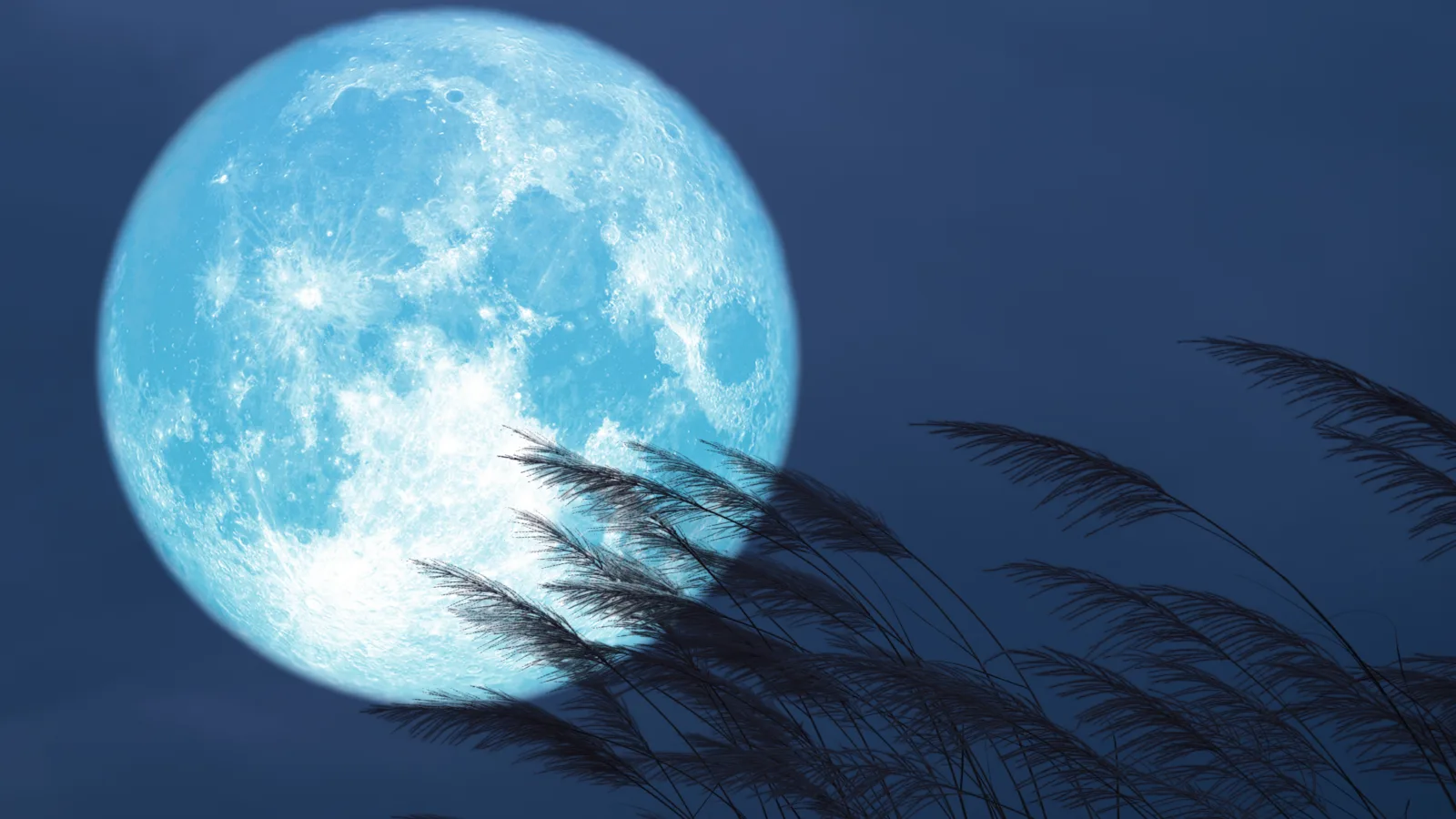
The Harvest Moon of 2026 reaches full on Saturday, September 26 at 16:49 UTC. That is 11:49 AM in Dallas, so Americans see the fullest Moon on Saturday evening, while in Manila the instant falls at 12:49 AM on Sunday, September 27, and the fullest Moon rises on Sunday. Either way, this is the full moon nearest the September equinox, which fell on September 23 at 00:05 UTC, and it comes with a quirk farmers noticed centuries ago: for several evenings in a row it rises only a little later each night, filling the dusk with moonlight.
Why it is the Harvest Moon this year
Most full moon names go with a month. The Harvest Moon is the exception: it is defined as the full moon closest to the September equinox, which means it lands in September about two years in three and in early October the rest of the time. In 2026 the September full moon is only three and a half days after the equinox, so the name is clear-cut. The next full moon, on October 26, becomes the Hunter’s Moon, the traditional name for the one after the Harvest Moon.
The early-rising effect, measured
On an average night the Moon rises about 50 minutes later than it did the night before. Around the autumn equinox that lag shrinks, because the Moon’s path meets the eastern horizon at a shallow angle: the Moon moves the same distance along its orbit, but most of that movement is sideways along the horizon rather than downward below it. This site’s moonrise calculator shows the effect for Dallas around this full moon:
- September 25: moonrise 6:44 PM
- September 26: 7:12 PM, 28 minutes later
- September 27: 7:42 PM, 30 minutes later
- September 28: 8:17 PM, 35 minutes later
Four evenings of a big, bright Moon rising within an hour of sunset. The effect grows with latitude, so it is stronger in Chicago than in Dallas and stronger still in Edinburgh, where the gap can fall below 20 minutes. Near the equator it nearly disappears: in Manila the same four moonrises are 4:49, 5:27, 6:06 and 6:48 PM, gaps of 38 to 42 minutes, close to the normal pace. That geographic difference is why the Harvest Moon was a farmers’ event in northern Europe and North America rather than in the tropics.
A big Moon, but not a supermoon
At the moment of full, the Moon is 379,433 km from Earth by our calculation, a little closer than average but well outside the 360,000 km line this site uses for a supermoon. It will still look enormous as it rises, but that is the moon illusion, a trick of perception when the Moon is near the horizon; a photograph shows it the same size as when it is overhead. Its orange colour at moonrise is real, though: the thick air near the horizon scatters away the blue light.
Where the name comes from
The name is European and old, recorded in English by the early 1700s, and describes exactly what the early-rising moon offered: light to keep working the fields after sunset at the busiest time of the farming year. Native American names for the September moon include the Corn Moon, and almanacs still use that name in years when the Harvest Moon shifts to October. In China, the Mid-Autumn Festival is held on the day of this full moon in the lunar calendar, with mooncakes and lanterns; in 2026 it falls on Friday, September 25, the evening before the Moon is full.
How to enjoy it
The best moments are the moonrises themselves. Find a spot with an open eastern horizon on Friday, Saturday and Sunday evening and watch the Moon come up within an hour of sunset each time; notice how little the time shifts. With binoculars, look at the darker patches, the lunar maria, which are easiest to make out when the whole disc is lit and the glare is softened by the low altitude. Saturn is up the same evenings, rising in the east not long after the Moon, a week and a half before its own opposition.
For your city’s exact moonrise and moonset on each of these nights, open the moon calendar and pick your location; the full moon page shows the countdown and every full moon of 2026 with its name.