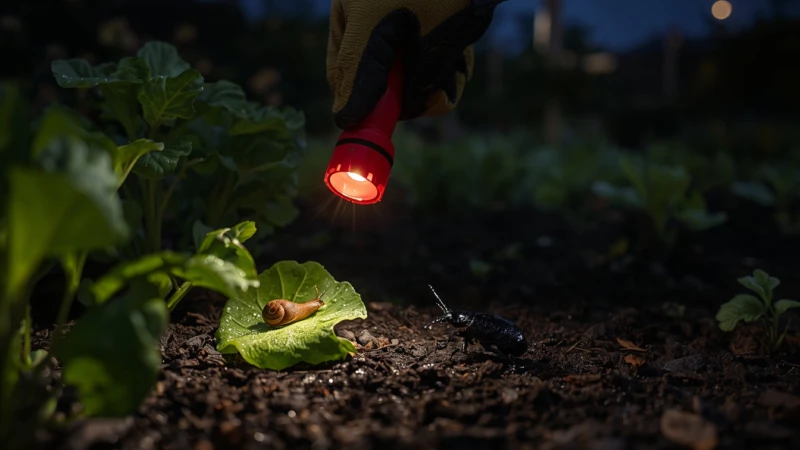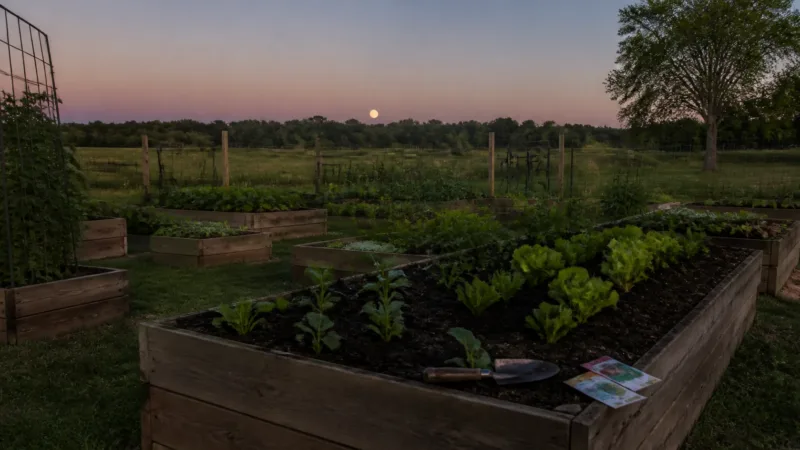
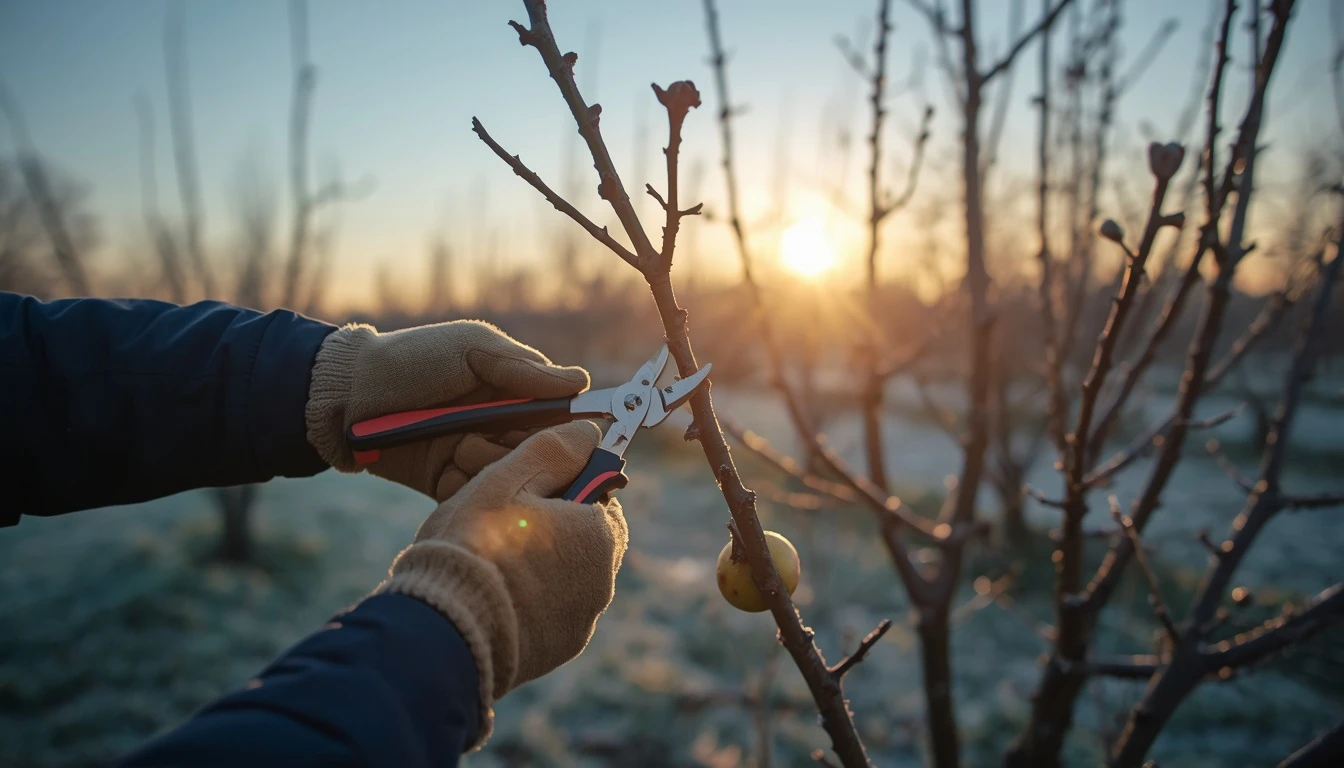
The lunar gardening tradition says to prune in the waning Moon: in the third quarter to slow a plant down and in the fourth quarter, the week before new moon, to discourage regrowth altogether. The idea is that sap and vigour follow the Moon, falling as it wanes, so a cut made then bleeds less and sprouts less. The evidence for the Moon’s part in this is thin, but the advice lands, by luck or long observation, in the same weeks that horticulture recommends for most pruning in the northern autumn. This guide separates the two, so you can use the calendar as a reminder without letting it cut the wrong plant at the wrong time.
What the calendar says this month
From our November planting calendar: the fourth quarter, the traditional pruning-to-discourage-regrowth window, runs from November 2 to 8, 2026, ending at new moon on the 9th. The next third quarter, for pruning to slow growth, is November 25 to December 1, and the next fourth quarter December 2 to 7. Southern-hemisphere gardeners get the same dates with the opposite season, which is the first clue that the Moon is not the thing that matters.
What the plant actually responds to
A cut heals and a plant regrows according to three things, none of them lunar:
- Dormancy. Deciduous trees and shrubs that have dropped their leaves are not moving sap and are not growing. A cut made in dormancy does not bleed, does not provoke soft new shoots that frost will kill, and lets you see the branch structure. That is why late autumn to late winter is the main pruning season for apples, pears, roses, grapevines and most hedges and shade trees.
- Disease pressure. Some fungi enter through fresh wounds and are most active in cool, damp weather. Silver leaf, which attacks plums, cherries, apricots and other stone fruit, is the classic case: its spores fly from autumn to spring, so stone fruit are pruned in summer when wounds dry fast, never in the waning Moon of November.
- When the plant flowers. Shrubs that flower in spring on last year’s wood, such as forsythia, lilac, flowering currant and many viburnums, carry their buds through the winter. Prune them now and you cut off next year’s flowers; they are pruned straight after they bloom. Shrubs that flower in summer on new wood, such as buddleja and most hydrangeas, are cut hard in late winter or early spring.
Two more timing rules do not fit the lunar calendar at all. Birch, maple and walnut bleed heavily if cut in late winter as the sap rises, so they are pruned in high summer or in full dormancy around the turn of the year. And evergreens are best trimmed in late spring and summer, not in the cold, when a cut face can brown off.
Where the tradition and the science agree
For the northern hemisphere in early November, the waning Moon window of the 2nd to the 8th is a reasonable week to:
- Cut out dead, diseased and damaged wood from any tree or shrub, which can be done at any time and is safest done soon.
- Start winter pruning of apples and pears once their leaves are down, continuing through to February.
- Cut summer-fruiting raspberry canes that fruited this year down to the ground if it was not done in August, and tie in the new canes.
- Prune roses lightly to reduce wind rock, leaving the main pruning for late winter.
- Take hardwood cuttings of currants, gooseberries, dogwoods and willows from the prunings; dormant wood roots readily.
In the southern hemisphere the same lunar week falls in late spring, when the useful jobs are the opposite: pinching and tipping soft growth, dead-heading, and pruning spring-flowering shrubs that have just finished.
Does the Moon change how a cut heals?
The claim that trees bleed less, or that cut wood lasts longer, when felled in the waning Moon is old and widespread, and has been tested more than most lunar claims. The largest trial, by Ernst Zürcher’s group in Switzerland, felled 576 spruce and chestnut trees on 48 dates through 2003 and 2004 and reported small but statistically significant differences in how the wood dried and shrank according to the Moon’s phase: a few percent, visible only in averages across hundreds of samples. Other tests have found nothing, and no study has shown a pruning cut healing differently by Moon phase. Even taking the Swiss result at face value, an effect that needs hundreds of trees to detect is not one that will change what happens to your apple tree. What does change it, by a wide margin, is dormancy, the weather on the day, and the sharpness of the saw. Our earlier look at whether gardening by the Moon works covers the wider research.
How to use the calendar well
- Decide what to prune by plant type and season, using the rules above or a reliable regional source.
- Use the waning-Moon weeks as your reminder to get out and do the dormant-season cuts, and the waxing weeks for the lighter jobs of tidying and tying in.
- Never let a lunar date override the plant: no stone fruit in autumn, no spring-flowering shrubs in winter, no bleeders in March.
- Prune on a dry, still day whatever the Moon is doing. Wet wood and fresh cuts are the combination diseases like.
The Gardening by the Moon page shows today’s quarter and the month ahead for your city, and the moon calendar gives the exact instants of each phase so you know when one quarter becomes the next.