Most of the damage in a garden happens after dark. Slugs, snails, cutworms and vine weevils feed at night and are back under cover by morning, which is why you find holes and stumps but never the culprit. The fix is to go out and look: a torch an hour or two after dusk on a mild, damp night shows you exactly who is eating what. The catch is that the night shift also includes your best allies, and many gardeners kill the wrong creature. This guide tells the two apart, explains when the night patrol pays off, and what the Moon has to do with it.
When to go out
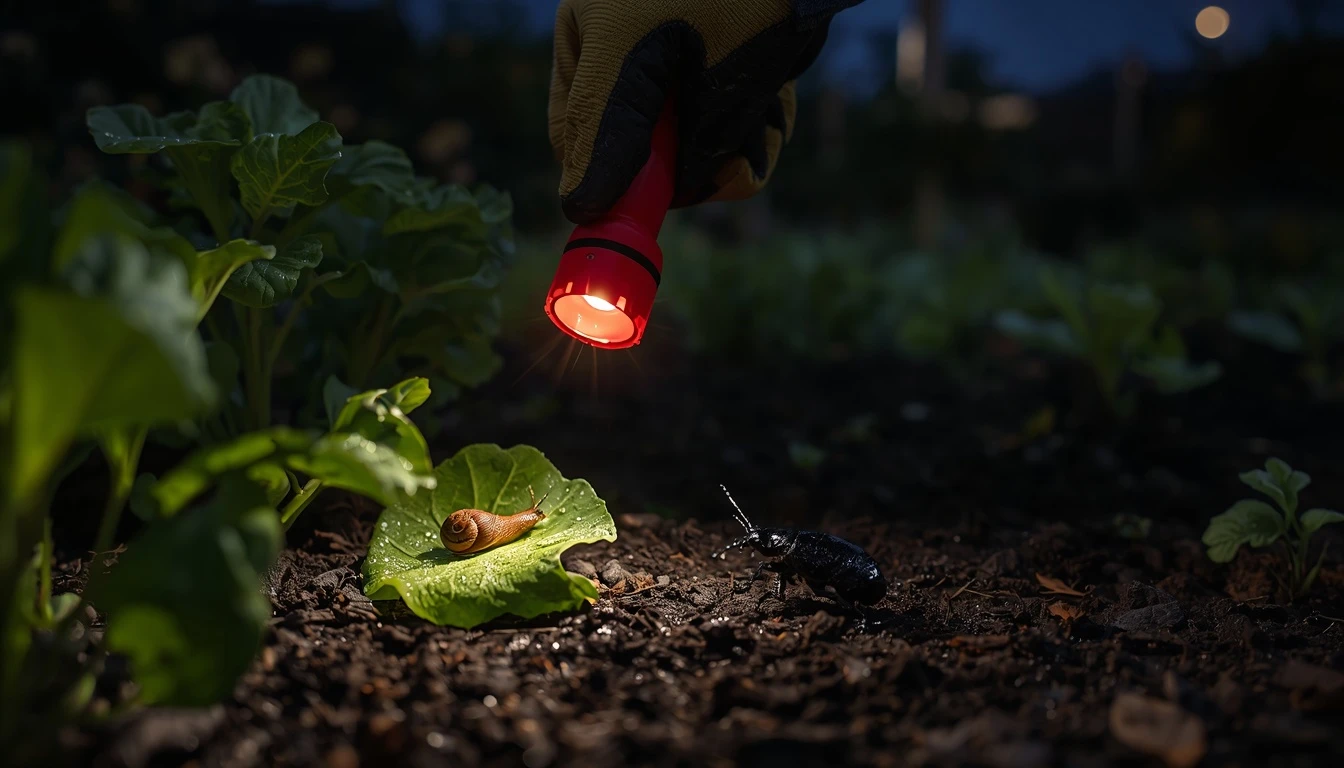
Pests are driven by moisture and temperature, not by the calendar. Slugs and snails come out when the surface is damp and the air is above about 5 degrees Celsius; a mild evening after rain is the busiest night of the month. The best time is one to two hours after sunset, when the ground is still warm and the feeders have arrived but before the dew settles. Use a torch with a red filter or a piece of red cellophane over the lens; red light disturbs night creatures less and keeps your own night vision.
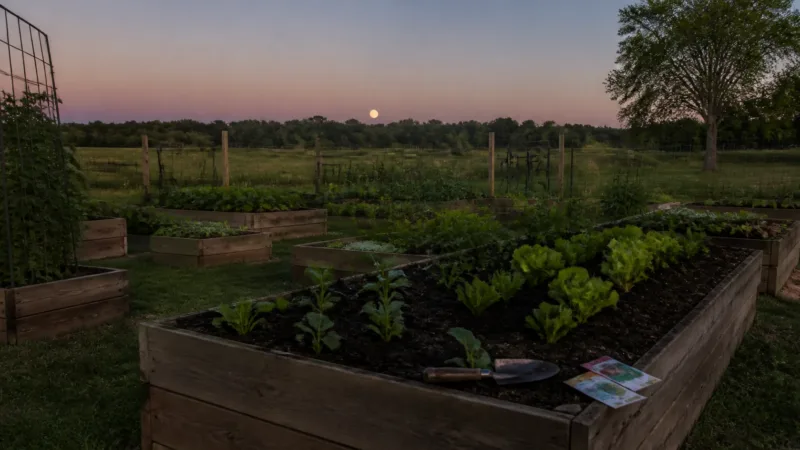
The Moon does not call pests out, but it does change the patrol. In the week around full moon, from about November 21 to 27 this month, the garden is bright enough to walk and inspect without a torch at all, which is the practical truth behind the old habit of checking the plot by moonlight. Around new moon, November 9 this month and December 8 next, you will need the torch. The moon calendar shows how much light to expect on any night.
The pests: what they do and how to know them
- Slugs and snails. Irregular holes in leaves, especially low ones, seedlings eaten to the stem, silvery slime trails in the morning. At night they are out on the leaves and the soil in the open. Pick them off by torchlight into a bucket; two or three patrols on damp nights remove most of a bed’s population.
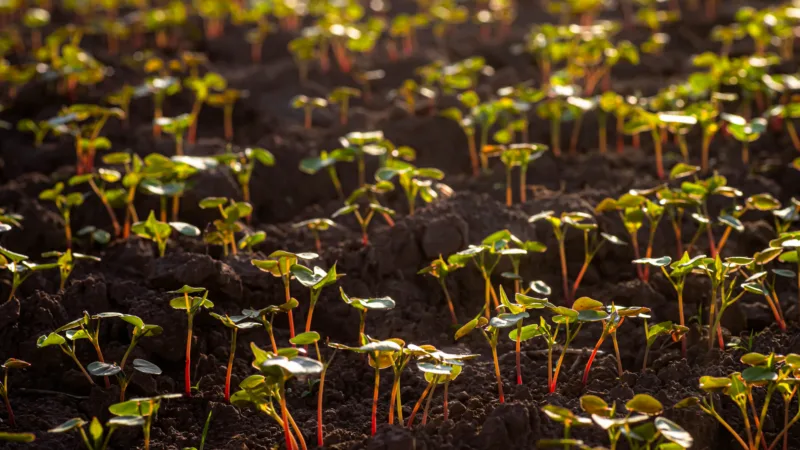
- Cutworms. Fat, greyish caterpillars of night-flying moths that curl into a C when touched. They hide just under the soil by day and come up after dark to chew through seedlings at ground level, leaving a healthy top lying beside a stump. Scratch the soil around a felled seedling and you will find the culprit within a few centimetres.
- Vine weevil adults. Small, dull black beetles with a snout that notch the edges of leaves, especially rhododendron, euonymus and strawberry, and only feed at night. They drop to the ground when the torch finds them, so hold a sheet under the plant.
- Caterpillars of all kinds. Many feed at night to avoid birds. Ragged holes from the leaf edge inward, and droppings on the leaves below, point to a caterpillar above.
- Earwigs, sometimes. Earwigs shred flower petals, dahlias and clematis above all, and nibble ripe soft fruit. But see below, because most of what they eat is on your side.
The allies: leave these alone
- Ground beetles. Fast, shiny black or violet-edged beetles running across bare soil. They are night-hunting predators of slugs, slug eggs, caterpillars and other soft pests, and the single most useful insect in a vegetable bed. Finding one on patrol is good news, not bad.
- Earwigs on fruit trees. Earwigs are omnivores and a large part of their diet is aphids and insect eggs. On apple, pear and plum trees the Royal Horticultural Society’s advice is to tolerate them, because they keep aphid colonies down. Move them off dahlias if you must, with a rolled newspaper trap emptied each morning, but do not kill them on sight.
- Centipedes. Flat, fast, one pair of legs per body segment, usually orange-brown. Predators of slugs, insects and their larvae. Not to be confused with millipedes, which are slower, rounder, have two pairs of legs per segment, and mostly eat rotting matter.
- Earthworms. They surface at night to feed and mate, especially on damp nights, which is why a torchlit lawn is full of them. Pure benefit.
- Woodlice. They eat dead plant material and do little harm, though they will finish off a seedling that something else has damaged. Not worth your time.
- Toads, frogs and hedgehogs. All three eat slugs by the dozen each night. A toad under a pot or a hedgehog rustling in the border is doing your work for you.
- Moths and bats. Night-flying moths pollinate honeysuckle, evening primrose, jasmine and many others; bats eat the moths that lay the pests. Both are signs of a healthy garden.
- Spiders and harvestmen. Predators, all of them.
A simple rule for anything you cannot identify: fast movers are hunters, slow movers are grazers. Leave the fast ones.
What to do with what you find
- Hand-pick slugs, snails and cutworms on three damp nights in a row; that breaks the cycle more reliably than any pellet, and harms nothing else.
- For vine weevil, pick the adults at night from August to November and treat pots with a nematode drench in late summer for the grubs.
- Protect seedlings with collars cut from cardboard tubes pushed into the soil, which stop cutworms at ground level.
- Give the allies cover: a log pile, a stone slab on the soil, long grass at the edge, a shallow dish of water. Ground beetles and toads need somewhere to spend the day.
- Note what you saw and when, against the Moon and the weather. After a season you will know which nights your garden gets eaten, and it will have more to do with rain than with phase.
Where this fits the lunar calendar
Tradition puts weeding, pest control and tidying in the waning Moon, and the full-moon week is when the night patrol is easiest, so the two line up by accident. The honest version is that the Moon tells you how much light you will have, and the weather tells you whether the pests will be out. Our Gardening by the Moon page gives the month’s quarters, and our earlier look at whether gardening by the Moon works covers what the research says. In the southern hemisphere this is spring, the busiest slug season of the year, and the same patrol applies.