Every pruning mistake is a timing mistake. The cut itself is simple; what matters is whether the plant is dormant or growing, whether its flower buds for next year are already on the wood, and whether the diseases that enter through cuts are active. The lunar calendar on this site marks a waning-Moon window every month as the traditional time to prune, and those windows are a useful reminder, but the season and the plant decide what may be cut. This guide lays out, season by season, what to prune, what to leave, and which waning-Moon windows fall in each, with dates from our calendar for the coming year. Southern-hemisphere readers should swap the seasons by six months; the Moon dates are the same everywhere.
How the Moon windows work
Tradition divides each month into four quarters and assigns pruning to the two waning ones: the third quarter, from full moon to last quarter, to slow growth, and the fourth quarter, from last quarter to new moon, to discourage regrowth and to tidy. From the Gardening by the Moon calendar, the waning windows ahead are:
- November 24 to December 8, 2026 (last quarter December 1).
- December 24, 2026 to January 7, 2027 (last quarter December 30).
- January 22 to February 6, 2027 (last quarter January 29).
- February 20 to March 8, 2027 (last quarter February 28).
Controlled trials have found no effect of lunar phase on how a cut heals, as we set out in our look at whether gardening by the Moon works, so treat the windows as a fortnightly prompt to get the secateurs out, never as permission to cut the wrong plant.
Autumn (September to November)
Do:
- Cut out dead, diseased and damaged wood from anything, at any time; the sooner the better.
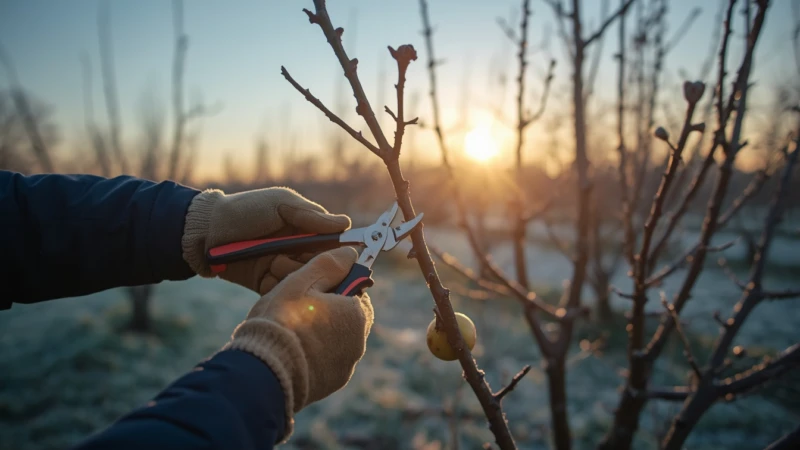
- Begin winter pruning of apples and pears once their leaves are down, from November.
- Cut this year’s fruited canes of summer raspberries to the ground if it was not done in August, and tie in the new canes.
- Shorten tall roses by a third to stop wind rock, leaving the real pruning for late winter.
- Take hardwood cuttings from the prunings of currants, gooseberries, dogwoods and willows.
Don’t:
- Prune plums, cherries, apricots or any stone fruit. The spores of silver leaf disease fly from autumn to spring and enter through fresh wounds; these trees are pruned in summer only.
- Cut spring-flowering shrubs such as forsythia, lilac, flowering currant, philadelphus and weigela. Their flower buds are already on the wood; prune now and you lose next spring’s show.
- Cut back mophead hydrangeas. The old flower heads protect the buds below from frost; remove them in spring.
- Give evergreens a hard cut. New growth will not harden before the cold.
Moon window: November 24 to December 8 falls in this season this year and suits the apple and pear work exactly.
Winter (December to February)
Do:
- Finish apples and pears, the main structural pruning of the year, any time the wood is not frozen, up to early March.
- Prune grapevines by mid-winter. Left later, they bleed sap heavily once it starts to rise, and nothing stops it.
- Give wisteria its winter cut in January or February, shortening the summer-pruned shoots to two or three buds.
- Prune roses, summer-flowering shrubs such as buddleja, and late-flowering clematis in late winter, February into early March, as the buds begin to swell.
- Coppice dogwoods and willows grown for winter stems in late winter, before they leaf.
Don’t:
- Cut maples, birches, walnuts or mulberries after the turn of the year. They bleed profusely as the sap rises; prune them in midsummer when in full leaf, or in early winter while fully dormant.
- Touch stone fruit; the silver leaf risk is at its height.
- Prune anything during a hard frost or when a severe frost is forecast within days; frozen cut surfaces die back.
- Cut spring-flowering shrubs; the rule from autumn still holds.
Moon windows: December 24 to January 7, and January 22 to February 6. The second is well placed for roses and buddleja in mild climates.
Spring (March to May)
Do:
- Prune spring-flowering shrubs immediately after they finish flowering: forsythia and flowering currant in April or May, lilac as soon as the blooms fade. Take out a third of the oldest stems at the base.
- Cut back frost-damaged growth once the risk of frost has passed, back to a healthy bud.
- Trim lavender lightly and shape evergreens in late spring, once growth has started.
- Remove the old flower heads from mophead hydrangeas, cutting to the first strong pair of buds.
Don’t:
- Prune a spring-flowering shrub before it flowers; wait until after.
- Cut hedges without checking for nesting birds. In the United Kingdom and much of Europe the nesting season runs roughly March to August and it is an offence to disturb an active nest; elsewhere the same courtesy applies.
- Prune grapes, maples or birches; the bleeding season is at its worst.
Moon windows: February 20 to March 8 opens the season; the calendar lists the April and May windows.
Summer (June to August)
Do:
- Prune plums, cherries and other stone fruit now, from June to August, when the wounds dry quickly and silver leaf spores are scarce.
- Summer-prune trained apples and pears, cordons, espaliers and fans, in August, shortening the new side shoots to encourage fruit buds.
- Give wisteria its summer cut in July or August, taking the long whippy shoots back to five or six leaves.
- Trim hedges once the birds have finished nesting, from late summer.
- Prune maples, birches and walnuts in midsummer if they need it, when they will not bleed.
- Cut lavender back after flowering, into the green growth, never into bare wood.
Don’t:
- Make heavy cuts in a heatwave or drought; the plant has no reserve to recover with.
- Hard-prune evergreens or conifers late in the season; new growth will be caught by the first frost.
- Cut summer-flowering shrubs before they bloom; buddleja and late clematis are late-winter jobs.
The rules that hold in every season
- Prune on a dry, still day. Wet wood and fresh cuts are the combination that lets disease in.
- Use sharp, clean tools, and clean them between plants if you have cut anything diseased.
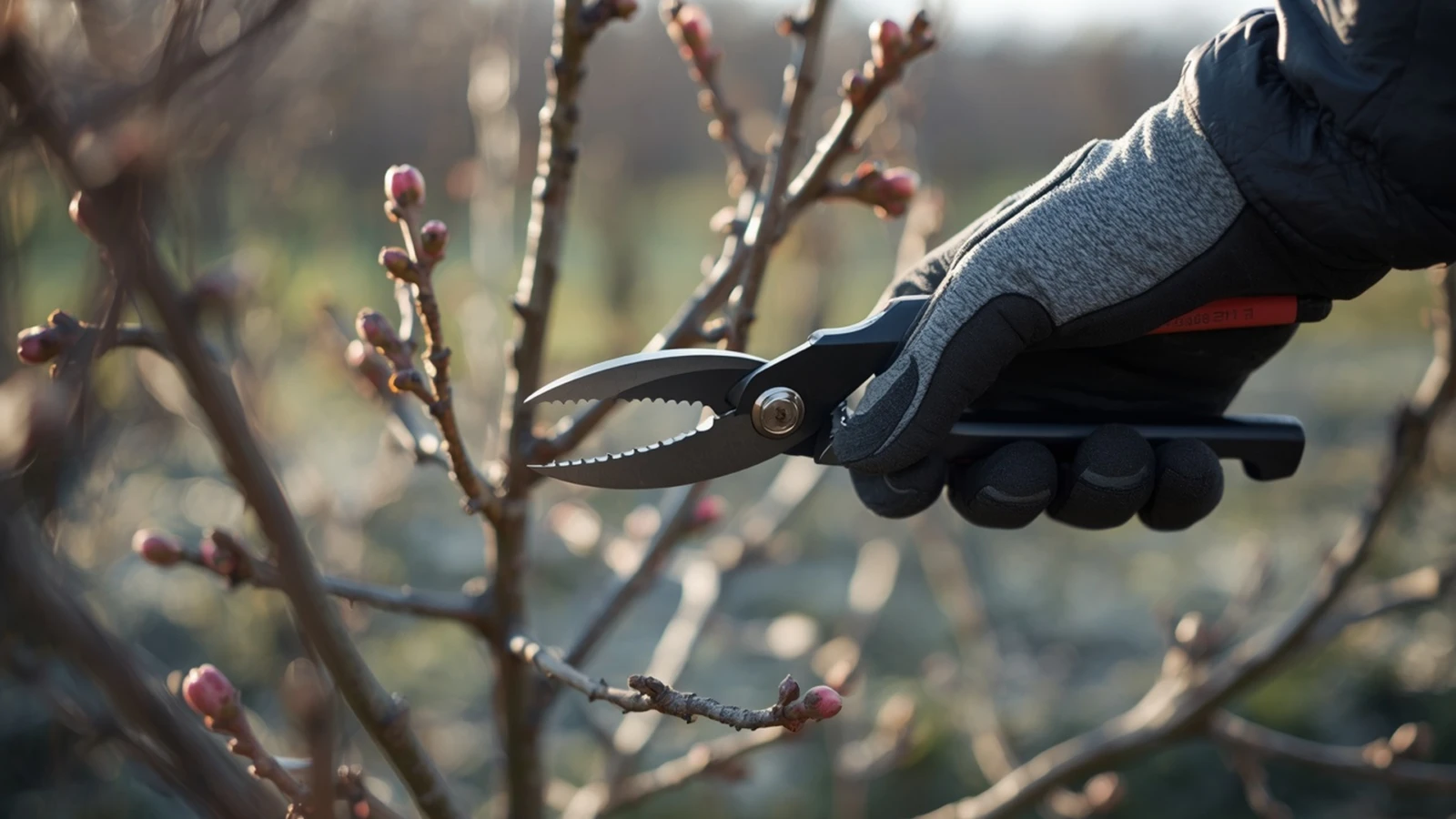
- Cut just above an outward-facing bud, sloping away from it, and never leave a stub.
- Know what the plant does: when it flowers, on old wood or new, and whether it bleeds. One minute with a reliable reference saves a year of flowers.
- Let the Moon set your rhythm and the plant set your rules. Our earlier post on pruning by the Moon goes into why the tradition and the horticulture happen to agree in autumn and part company in spring.
The December planting calendar marks the waning days of the coming month, and the moon calendar gives the exact instant of each phase for your city.