Sky Guides
Why You Can See the Moon During the Day
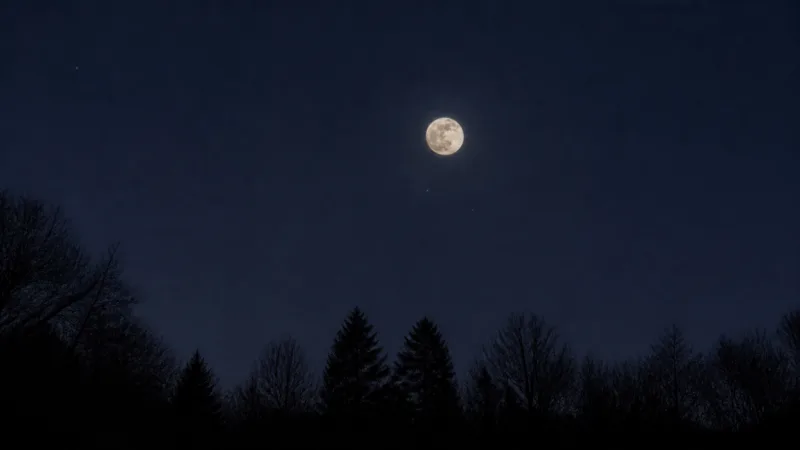
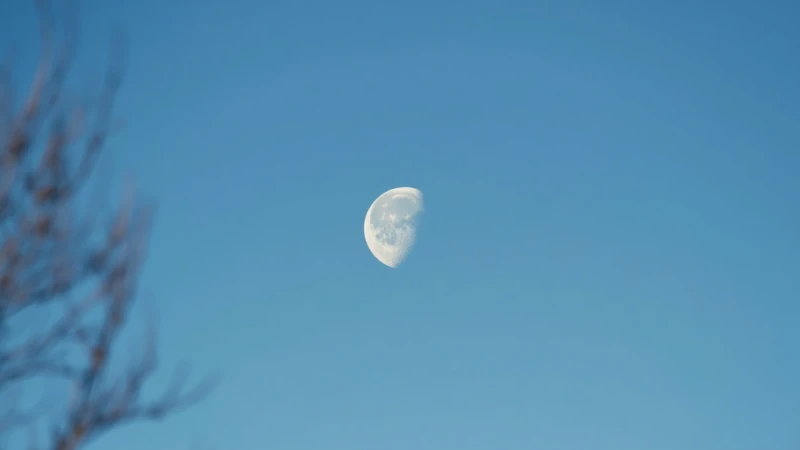
The Moon is above the horizon for about twelve and a half hours out of every twenty-four, and half of that time, on average, is daylight. It is…
Guides, sky news and viewing tips for the Moon, eclipses, meteor showers and planets
The Moon is above the horizon for about twelve and a half hours out of every twenty-four, and half of that time, on average, is daylight. It is…
In November 2026 the planets split cleanly between dusk and dawn. After sunset there is Saturn, high in the south-east, with Neptune and Uranus for telescope and binocular…
The Taurid meteor showers peak in the first half of November 2026 under a near-perfect Moon: the Southern Taurids around Thursday, November 5, and the Northern Taurids around…
November 2026 is a morning month. Jupiter and Mars meet before dawn on the 16th, Venus returns as the Morning Star and reaches its brightest on the 27th,…
Mars passes 1.2 degrees from Jupiter on November 16, 2026, close enough that the two planets fit in the same binocular field and almost in the same low-power…
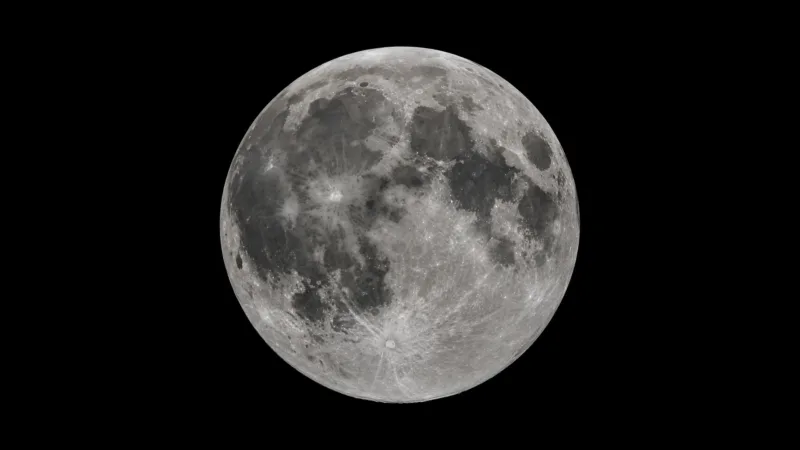
The Moon always shows us the same face, but not quite the same face. Over a month it nods up and down by nearly 7 degrees and rocks…
The week opens with the Hunter’s Moon rising just after sunset on Monday, covers the Pleiades on Tuesday night, then thins toward last quarter on Sunday, when the…
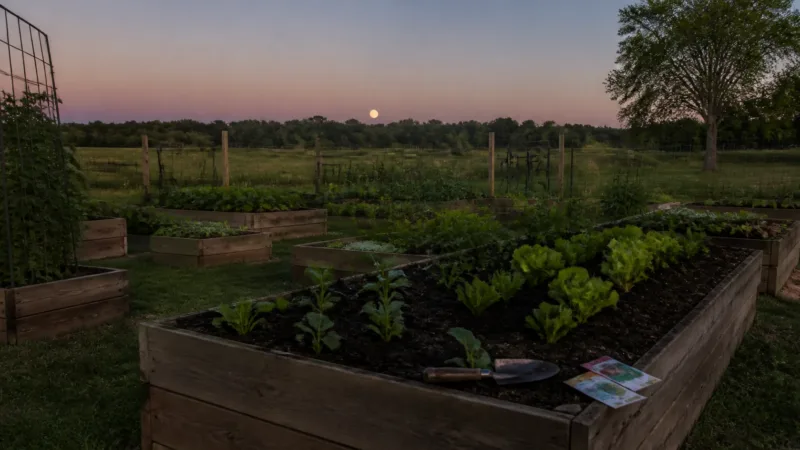
The honest answer is that controlled trials have not found a measurable effect of the Moon’s phase on germination, growth or yield. The physics is against it too:…
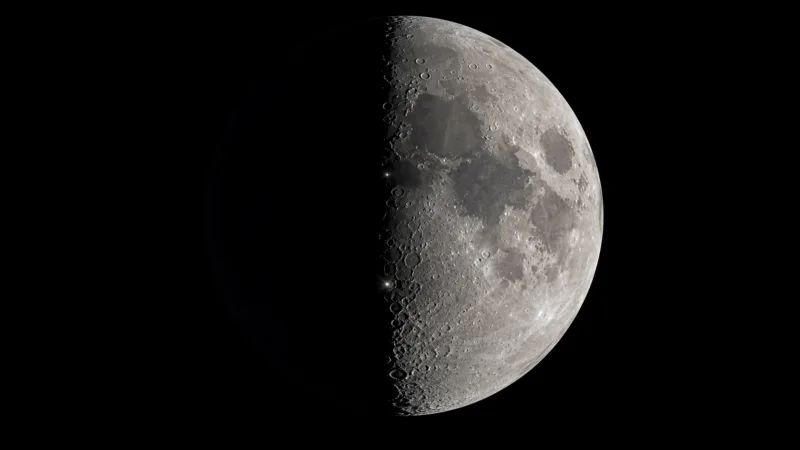
Three of the Moon’s best-known tricks of light are the Lunar X, the Lunar V and the Jewelled Handle. None of them is a real structure. Each is…
Know when to look up
One short alert before a full moon, eclipse, meteor shower peak, or new article. No email, unsubscribe any time.